
NEWS & ANNOUNCEMENTS
African Agri. & Food News
FAO Issues Early Warning as El Nino Threatens Crop Production Across Africa
22 June 2026
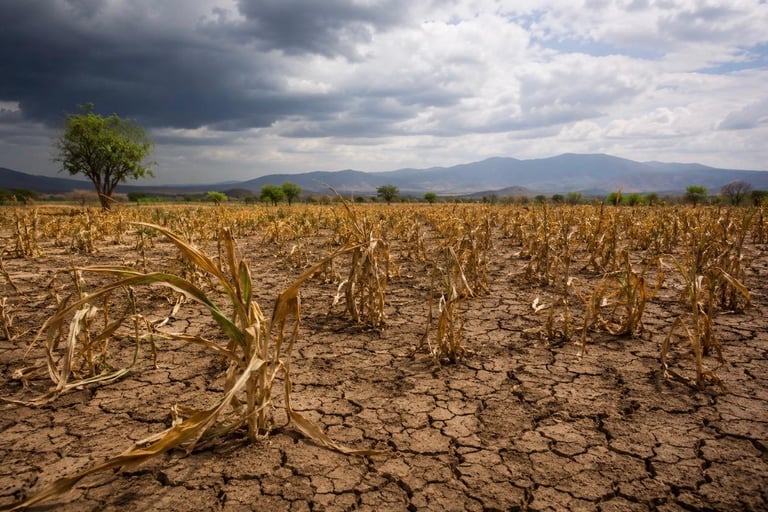
The Food and Agriculture Organization of the United Nations (FAO) has issued an early warning that a new El Niño weather pattern is expected to develop in the coming weeks, raising concerns about the potential impact on agriculture and food security across large parts of Africa. According to the organisation, forecasts indicate that this could become one of the strongest El Niño events in decades, bringing prolonged drought to several of the continent’s most important farming regions.
Using more than 40 years of satellite imagery and historical climate data, FAO has identified areas where crops and pastureland face the greatest risk of agricultural drought. The regions considered most vulnerable include the Sahel, Southern Africa and parts of East Africa, with countries such as Namibia, Botswana, Zambia, Zimbabwe, South Africa, Mozambique, Madagascar, Nigeria and Ethiopia expected to face an increased likelihood of below-average rainfall during critical growing periods.
FAO warns that the effects of El Niño extend well beyond reduced rainfall. Failed harvests, declining livestock productivity, water shortages and rising food prices can place enormous pressure on farming communities and national economies. Many of the regions identified are already coping with conflict, high food prices and climate-related challenges, making them particularly vulnerable to another severe weather event. During the 2015–2016 El Niño, more than 60 million people worldwide were affected and humanitarian assistance exceeded US$5 billion across 23 countries.
To help governments prepare, FAO has developed high-resolution drought-risk mapping that enables countries to identify agricultural hotspots before significant crop losses occur. The organisation says this information can be used to target interventions such as drought-tolerant seed distribution, irrigation support, livestock feed, water management and cash assistance to the communities most at risk. Evidence from previous El Niño events has shown that acting early can significantly reduce crop losses, protect livelihoods and strengthen food security.
The warning serves as a timely reminder of the growing importance of climate resilience in African agriculture. As weather patterns become increasingly unpredictable, investment in early warning systems, climate-smart farming practices and resilient agricultural infrastructure will play a critical role in protecting food production, supporting rural livelihoods and safeguarding the continent’s long-term food security.
More African Agri. & Food News
Kenya Calls for Africa to Stop Exporting Jobs with Raw Agricultural Produce - Read more >>>>
Zimbabwe Opens China's Premium Food Market to African Blueberry Exports - Read more >>>>